Choosing between open vs closed crockery units sounds easy at first, but many homeowners later realize that the wrong storage choice can create daily frustration. Some people install open shelves because they love the bright and modern look they see on Pinterest or in designer kitchens. However, after a few months, they start noticing dust on dishes, grease buildup near cooking areas, and shelves that feel cluttered instead of stylish. Meanwhile, some homeowners choose fully closed cabinets for easier maintenance but later feel their kitchen looks too heavy or lacks personality. This is one of the most common problems people face during kitchen remodels and dining room upgrades.
After analyzing modern kitchen trends, homeowner experiences, and practical storage solutions, one thing becomes clear: the best crockery unit is not just about appearance. It should fit your lifestyle, cleaning habits, storage needs, and the way you use your kitchen every day. Homeowners who cook often usually prefer closed crockery cabinets because they reduce maintenance and protect dishes from dust and grease. In contrast, people who enjoy decorating their kitchens often prefer open shelving for displaying beautiful dishes and decor. That is why many modern homes now use hybrid crockery units that combine open display shelves with concealed storage. In this guide, you will learn the real pros, cons, maintenance expectations, and design differences between open vs closed crockery units so you can choose a storage solution that works well long-term. Many homeowners now focus on creating kitchens that feel both functional and organized. Choosing the right crockery storage is only one part of building a smarter kitchen layout with better storage solutions.
Open vs Closed Crockery Units- Quick Summary:
Open vs closed crockery units both offer unique benefits for modern homes. Open shelving creates a bright and stylish look, while closed cabinets provide better organization, protection, and low-maintenance storage. This guide compares their pros, cons, maintenance needs, design trends, and suitability for different lifestyles to help homeowners choose the best option. It also explores why hybrid crockery units are becoming the preferred choice for balancing functionality with modern design.
Quick Takeaway
- Choose open crockery units if you want a light, decorative, and modern kitchen look.
- Choose closed crockery cabinets if you prefer low-maintenance and clutter-free storage.
- Choose hybrid crockery units if you want both display space and hidden storage.
- For busy families and frequent cooking, closed storage is usually more practical.
- For small apartments, a mix of floating shelves and concealed cabinets often works best.
What Is an Open Crockery Unit?
An open crockery unit has shelves without doors. It displays plates, bowls, glasses, and decorative items in plain view.
These units are popular in modern kitchens and dining rooms. Many homeowners use floating shelves, wooden racks, or metal frames for open storage.
Open crockery units create a light and spacious look. They also make it easy to grab everyday dishes quickly.
What Is a Closed Crockery Unit?
A closed crockery unit has doors or cabinets that cover the storage space. These units may include wood doors, glass panels, or sliding doors.
Closed storage keeps dishes hidden and protected from dust, grease, and moisture.
Many modern homes use modular crockery cabinets with drawers and shelves for better organization.
Closed crockery units work well in busy homes where storage needs to stay neat and clean.
Open vs Closed Crockery Units: Main Differences
| Feature | Open Crockery Units | Closed Crockery Units |
|---|---|---|
| Appearance | Light and airy | Clean and organized |
| Maintenance | Needs regular cleaning | Easier to maintain |
| Storage Style | Decorative display | Hidden storage |
| Dust Protection | Low | High |
| Best For | Minimal homes | Family homes |
| Accessibility | Easy access | More structured |
| Design Style | Modern and casual | Classic and elegant |
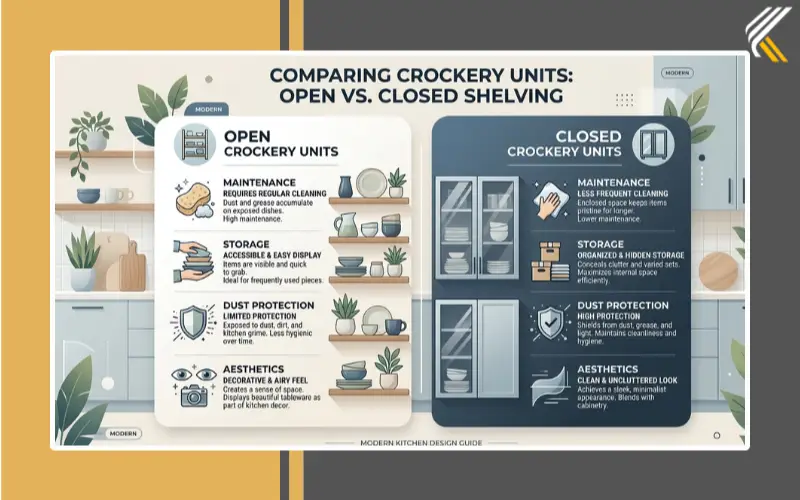
| Feature | Open Crockery Units | Closed Crockery Units |
|---|---|---|
| Visual Appeal | Airy and modern | Clean and structured |
| Cleaning Needs | High maintenance | Low maintenance |
| Dust Protection | Less protection | Better protection |
| Accessibility | Easy access | More organized |
| Storage Capacity | Limited | Higher storage |
| Best For | Decor lovers | Busy families |
| Cost | Can be affordable | Usually more expensive |
| Long-Term Practicality | Moderate | High |
Open Storage Benefits
Open crockery units are stylish and practical for many homes. They make a kitchen or dining room feel larger.
Open crockery shelves often look stunning in real homes because they make kitchens feel more personal. Many homeowners enjoy displaying handmade pottery, coffee mugs, and favorite serving dishes instead of hiding everything behind cabinet doors.
In smaller apartments, some people also notice that open shelves make the kitchen feel less boxed in compared to heavy upper cabinets.
Floating Shelves Create an Airy Look
Floating shelves are one of the biggest trends in modern kitchen design. They give walls a clean and open appearance.
This design works well in:
-
- small kitchens
-
- studio apartments
-
- modern homes
-
- Scandinavian interiors
Open shelves also allow homeowners to display beautiful dishes and glassware.
Open Up Your Walls
Closed wall cabinets can sometimes make a room feel heavy. In contrast, open kitchen shelving creates visual space.
This is helpful in small kitchens with limited natural light.
White shelves, wooden finishes, and glass decor can make the room feel brighter and more welcoming.
Easy Access to Everyday Items
Many people use open crockery shelves for daily-use dishes.
You can quickly grab:
-
- coffee mugs
-
- dinner plates
-
- bowls
-
- serving trays
As a result, cooking and cleaning become more convenient.
Perfect for Decorative Styling
Open crockery units are not only for storage. They also improve home decor.
You can style shelves with:
-
- ceramic plates
-
- glass jars
-
- plants
-
- cookbooks
-
- candles
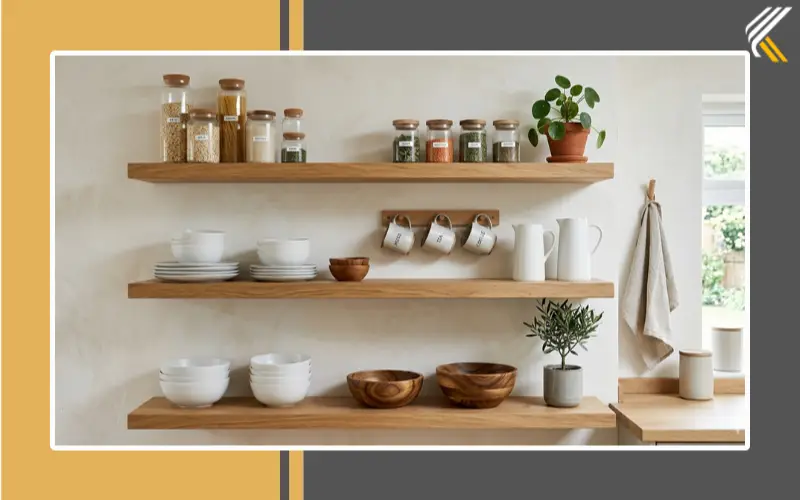
This creates a personalized and modern look. If you want your storage to look more stylish and modern, exploring different crockery display layouts and cabinet styles can help you create a more personalized kitchen design.
Closed Storage Benefits
Closed crockery units remain one of the most practical storage solutions for modern homes.
They keep spaces organized and reduce visual clutter.
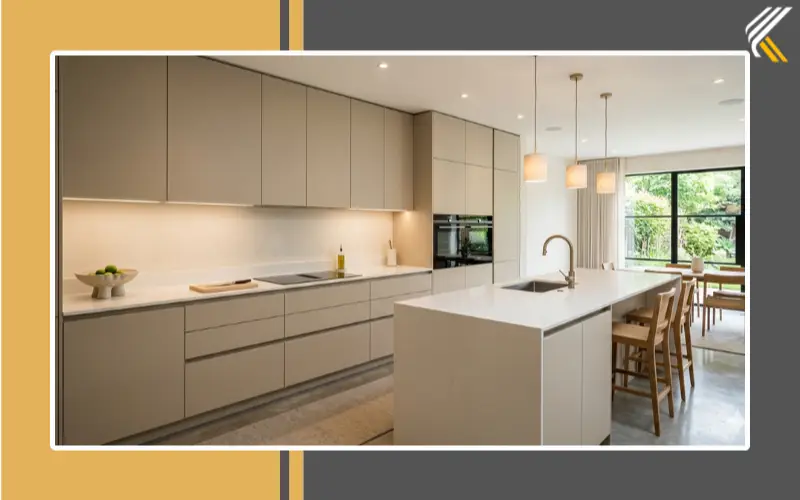
Sleek Lines Create a Clean Look
Closed cabinets make kitchens look tidy and structured.
Flat-panel cabinets and handleless doors are popular in modern homes because they create smooth and sleek lines.
This design works well in:
-
- minimalist kitchens
-
- luxury homes
-
- family kitchens
-
- contemporary interiors
Better Dust Protection
One of the biggest advantages of closed crockery cabinets is protection from dust and grease.
Open shelves collect dirt quickly, especially near cooking areas.
Closed cabinets help keep:
-
- dishes clean
-
- glassware shiny
-
- serving bowls dust-free
Therefore, homeowners spend less time cleaning exposed items.
Pantry Storage Stays Organized
Many closed crockery units include pantry-style storage.
This allows homeowners to organize:
-
- dinner sets
-
- serving plates
-
- tea collections
-
- seasonal dishes
Drawers and dividers also improve organization.
Safer for Families With Kids
Closed cabinets may provide better safety for families with children because fragile items stay less exposed.
This reduces accidents and keeps delicate dishes more secure.
Which Crockery Unit Is Easier to Maintain?
Closed crockery units are usually easier to maintain.
Open shelves need regular cleaning because dishes remain exposed to:
-
- dust
-
- smoke
-
- grease
-
- humidity
In busy kitchens, open storage may need cleaning every few days.
Closed cabinets reduce this problem and keep items cleaner for longer periods.
If you want low-maintenance storage, closed crockery cabinets are often the better choice.
Many homeowners love the look of open shelving at first. However, after a few months, some realize that everyday dishes collect dust faster than expected. This is especially common in busy kitchens where cooking happens daily.
One homeowner shared that their white plates looked beautiful on floating shelves, but they had to wipe them almost every weekend because of grease and dust near the stove area.
Which Option Works Best for Small Spaces?
Both options can work in small kitchens when designed properly.
Open crockery shelves make small spaces feel larger because they create visual openness.
However, too many open shelves can also make a room feel cluttered.
Closed cabinets maximize hidden storage and help maintain a clean appearance.
For small homes, many designers recommend a hybrid storage layout.
Some homeowners also combine compact storage cabinets with movable kitchen storage solutions to improve flexibility in smaller kitchens.
Open vs Closed Crockery Units for Small Apartments
Small apartments often need smart storage solutions.
Open crockery shelves can make compact kitchens feel brighter and larger because they reduce visual heaviness. Floating shelves also use vertical wall space efficiently.
However, too many open shelves may create visual clutter in smaller homes.
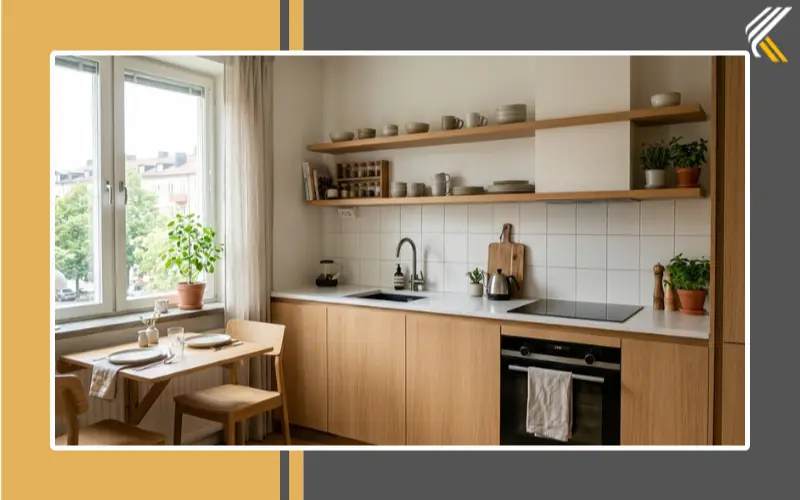
For this reason, many apartment owners now prefer hybrid crockery units with:
-
- closed lower cabinets
-
- open upper shelves
-
- slim floating storage
This creates a cleaner and more spacious appearance.
Apartment owners often prefer open shelves in smaller kitchens because bulky upper cabinets can sometimes make compact spaces feel darker and tighter.
However, many renters later add small closed cabinets or baskets after realizing they still need hidden storage for everyday kitchen items. Compact homes often benefit from multifunctional furniture and smart storage layouts that improve movement without making the kitchen feel crowded.
Why Closed Crockery Units Feel Less Stressful
Many homeowners prefer closed crockery units because they create a cleaner visual appearance. Hidden storage reduces visual clutter and makes kitchens feel more organized.
This is especially helpful in open-concept homes where the kitchen is always visible.
In contrast, too many exposed dishes on open shelves can sometimes make a room feel busy or crowded. Therefore, closed cabinets often work better for homeowners who prefer calm and minimalist interiors.
Hybrid Crockery Units: The Best of Both Worlds
Hybrid crockery units combine open and closed storage in one design.
This is one of the biggest trends in modern kitchen interiors.
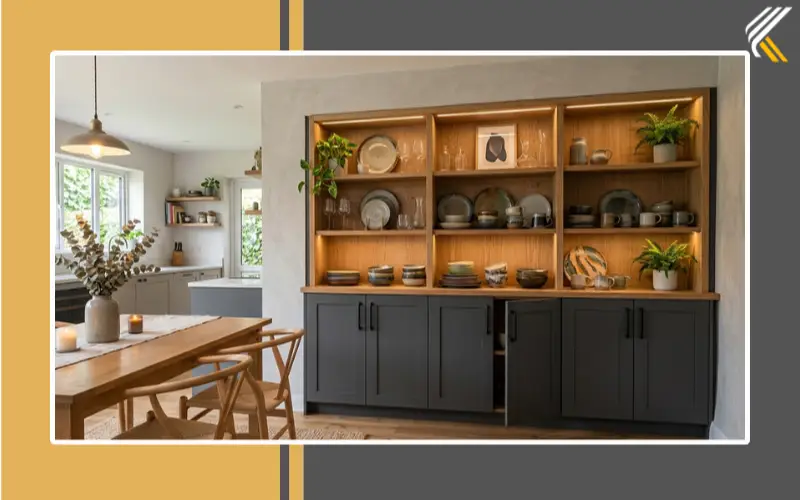
A hybrid unit may include:
-
- closed lower cabinets
-
- open upper shelves
-
- glass-front display sections
-
- hidden drawers
This design gives homeowners:
-
- decorative display space
-
- hidden storage
-
- better organization
-
- balanced visual appeal
Many modern designers and buyers prefer hybrid storage because it balances style and practicality.
Hybrid crockery units work well in both modern and traditional homes.
Many modern homeowners eventually move toward hybrid storage after trying fully open shelving. They enjoy having one or two display shelves for decor while keeping everyday cookware hidden inside closed cabinets.
This setup usually feels more balanced and easier to maintain over time.
Best Choice for Different Lifestyles
| Lifestyle | Best Option |
|---|---|
| Busy families | Closed crockery units |
| Minimalist homes | Open crockery units |
| Luxury interiors | Hybrid crockery units |
| Frequent cooks | Closed cabinets |
| Small apartments | Open shelving |
| Decorative styling lovers | Open shelves |
| Low-maintenance homeowners | Closed storage |
| Modern open-concept homes | Hybrid storage |
| If You Are… | Best Option | Why |
|---|---|---|
| A busy parent | Closed cabinets | Easier maintenance |
| A minimalist homeowner | Closed storage | Reduces visual clutter |
| A decor enthusiast | Open shelving | Better display styling |
| Living in a small apartment | Hybrid storage | Saves space visually |
| Remodeling a luxury kitchen | Glass-front hybrid | Premium appearance |
Which Style Looks More Expensive?
Both styles can look luxurious when designed properly.
Open crockery units look expensive when shelves are:
-
- well-organized
-
- color-coordinated
-
- minimally styled
Natural wood and metal finishes also improve the appearance.
Closed crockery cabinets create a premium look through:
-
- custom cabinetry
-
- matte finishes
-
- glass-front doors
-
- soft lighting
Luxury homes often use a mix of both styles.
Open Shelves vs Glass-Front Cabinets
Glass-front cabinets combine the benefits of both open and closed storage. They allow homeowners to display beautiful dishes while still protecting them from dust and grease.
Many modern kitchens now use glass-front crockery cabinets because they create an elegant and balanced appearance.
Glass cabinets work well for:
-
- dining room displays
-
- luxury kitchens
-
- transitional interiors
-
- farmhouse kitchens
However, fingerprints and smudges may require regular cleaning. For this reason, many homeowners combine glass cabinets with fully closed storage.
Luxury Kitchen Trends: Open Shelves vs Closed Cabinets
Luxury kitchens now combine both display storage and concealed cabinetry.
Many high-end homes use:
-
- glass-front crockery cabinets
-
- warm wood finishes
-
- floating kitchen shelves
-
- shaker-style cabinets
-
- hidden storage systems
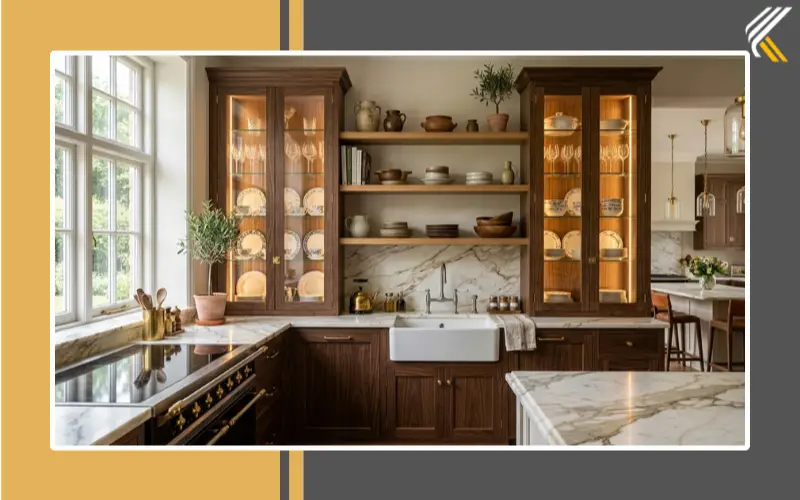
Open shelves are often styled with curated dishware and soft lighting. Meanwhile, closed cabinets help maintain a clean and premium appearance.
This balance creates a timeless kitchen design that feels elegant but still functional. Many luxury kitchens also use layered lighting inside cabinets and display shelves to highlight decorative dishes and create a warmer atmosphere during the evening.
Luxury kitchens continue to combine display shelving with functional cabinetry. Design publications like Homes & Gardens frequently highlight hybrid storage as one of the most practical modern kitchen trends.
Are Open Crockery Units Going Out of Style?
Open shelving is still popular, but homeowners now prefer balanced storage instead of fully open kitchens.
Many modern homes are moving toward hybrid storage because it combines beauty with functionality.
Designers now recommend:
-
- fewer open shelves
-
- cleaner styling
-
- hidden storage solutions
This creates a more practical and timeless kitchen design.
Many modern designers now recommend balancing open shelving with concealed storage instead of removing all upper cabinets. According to Better Homes & Gardens, homeowners are shifting toward more practical kitchen storage solutions that still maintain a stylish appearance.
Best Materials for Open and Closed Crockery Units
The material you choose affects durability, maintenance, and style.
Popular Materials for Open Crockery Units
Common choices include:
-
- solid wood
-
- engineered wood
-
- metal frames
-
- glass shelves
Wooden shelves create warmth and texture.
Metal shelves work well in industrial kitchens.
Popular Materials for Closed Crockery Cabinets
Closed cabinets often use:
-
- laminate finishes
-
- plywood
-
- MDF panels
-
- solid wood
-
- glass doors
Matte finishes and neutral colors remain popular in modern homes.
Open vs Closed Crockery Units: Cost Comparison
The cost depends on size, material, and customization.
Open Crockery Units
Basic open shelves are often cheaper than full cabinetry. However, premium custom shelving systems with designer wood or hidden brackets can cost as much as closed cabinets.
Closed Crockery Units
Closed cabinets usually cost more because they require:
-
- doors
-
- hinges
-
- hardware
-
- extra materials
Custom modular crockery units may also increase installation costs.
Still, many homeowners choose closed cabinets for long-term durability and convenience.
Which Option Adds More Home Value?
Well-designed storage improves the value of a home.
Closed crockery units appeal to buyers who want:
-
- clean kitchens
-
- organized storage
-
- low maintenance
Open shelves attract buyers who prefer modern and stylish interiors.
Many modern designers and buyers prefer hybrid storage because it balances style with functionality.
Popular Crockery Storage Trends in USA Homes
Modern USA kitchens now focus on both style and functionality. Many homeowners prefer storage solutions that look clean but still provide enough space for everyday use.
Popular trends include:
-
- shaker-style cabinets
-
- floating kitchen shelves
-
- concealed storage
-
- glass-front cabinets
-
- hybrid crockery units
-
- warm wood finishes
-
- matte cabinet colors
Farmhouse kitchens and transitional kitchen designs also continue to use a mix of open shelving and closed cabinetry.
Open vs Closed Crockery Units for First-Time Homeowners
Many first-time homeowners struggle to choose between open shelving and closed cabinets. Open crockery units often look beautiful in Pinterest photos and modern kitchen designs. However, they may require more maintenance than expected.
Closed crockery cabinets are usually easier to organize and maintain over time. Therefore, many first-time homeowners now choose hybrid storage layouts that combine open display shelving with concealed storage.
This creates a balance between style and practicality.
Why Busy Families Often Prefer Closed Crockery Cabinets
Busy kitchens need storage that stays organized and easy to maintain.
Families with children often prefer closed crockery units because they:
-
- hide visual clutter
-
- reduce dust buildup
-
- protect fragile dishes
-
- make kitchens feel cleaner
Open shelves can still work in family homes. However, many designers recommend limiting open storage to decorative items instead of daily-use cookware.
Why Minimalist Homes Often Prefer Closed Storage
Minimalist kitchens focus on calm and simplicity.
Closed crockery units help create cleaner spaces because they hide everyday kitchen items behind smooth cabinet doors.
This reduces visual stress and helps kitchens feel more organized.
Modern minimalist kitchens often include:
-
- flat-panel cabinets
-
- concealed storage
-
- matte finishes
-
- neutral colors
Many homeowners prefer this approach because it creates a clutter-free kitchen environment.
How Open Shelving Supports Decorative Styling
Open crockery units are popular among homeowners who enjoy decorating their kitchens.
Shelves can display:
-
- ceramic dinnerware
-
- handmade pottery
-
- glassware
-
- plants
-
- cookbooks
-
- seasonal decor
However, styling works best when shelves remain simple and organized.
Many interior designers recommend:
-
- using neutral colors
-
- leaving empty space between objects
-
- grouping similar items together
This prevents shelves from looking overcrowded.
Open vs Closed Crockery Units for Kitchen Remodels
Homeowners planning a kitchen remodel often compare storage styles carefully before making a final decision.
Open crockery shelves can modernize older kitchens and make spaces feel lighter. In contrast, closed cabinetry provides more structured storage for large households.
Many remodeling experts now recommend hybrid storage systems because they:
-
- improve organization
-
- support modern design trends
-
- increase functionality
-
- balance style with practicality
Hybrid layouts are especially popular in USA open-concept homes.
Common Design Mistakes With Open Crockery Units
Open shelving can look beautiful when styled correctly. However, poor organization can quickly make a kitchen feel messy.
Avoid these common mistakes:
-
- placing too many items on shelves
-
- mixing too many dish colors
-
- displaying damaged cookware
-
- overcrowding decorative pieces
-
- using deep shelves in small kitchens
-
- placing open shelves too close to the stove
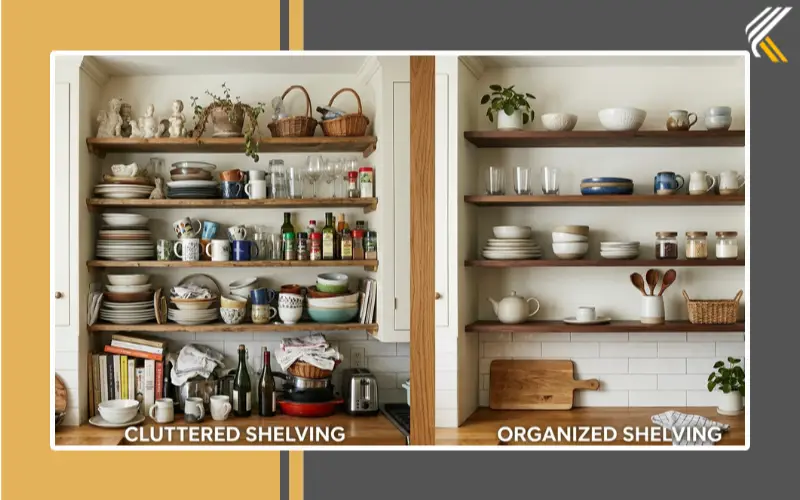
Instead, keep styling simple and balanced. Neutral colors and evenly spaced items usually create the best results.
One common mistake homeowners mention is overdecorating shelves. What starts as a clean and stylish display can slowly turn into visual clutter when too many bowls, jars, and accessories are added together.
Many interior designers suggest leaving some empty shelf space because it helps the kitchen feel calmer and more organized.
Biggest Mistakes to Avoid
- Overcrowding shelves with too many dishes
- Using open shelves near greasy cooking zones
- Ignoring hidden storage needs
- Mixing too many decor colors
- Replacing all upper cabinets with open shelving
Items You Should Not Store on Open Shelves
Some kitchen items work better inside closed cabinets.
Avoid placing these items on open shelves:
-
- plastic containers
-
- damaged cookware
-
- greasy appliances
-
- rarely used dishes
-
- mismatched items
Open shelves look best with carefully selected pieces.
How Often Should Open Shelves Be Cleaned?
Open crockery shelves need regular maintenance because dishes remain exposed.
In most homes:
-
- light dusting should be done weekly
-
- deep cleaning should happen once a month
-
- grease removal may be needed more often near cooking areas
Meanwhile, closed crockery cabinets usually require less frequent cleaning.
Homeowners with busy kitchens often prefer closed storage because it reduces daily maintenance.
| Task | Open Shelves | Closed Cabinets |
|---|---|---|
| Dust Cleaning | Weekly | Monthly |
| Grease Cleaning | Frequent | Occasional |
| Organization Effort | Higher | Moderate |
| Styling Maintenance | High | Low |
| Dish Protection | Lower | Better |
Real-Life Maintenance Expectations
Open shelves look beautiful in photos. However, they can become difficult to maintain in busy kitchens.
Homeowners who cook frequently may notice:
-
- grease buildup
-
- dust accumulation
-
- fingerprints on dishes
-
- frequent cleaning needs
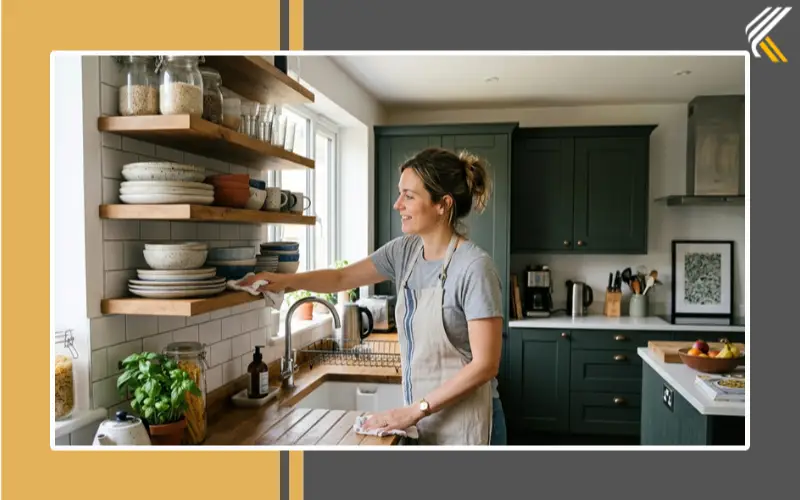
Closed crockery cabinets reduce these problems and usually require less maintenance.
Therefore, homeowners should think about their daily habits before choosing between open and closed storage. In busy kitchens, portable storage pieces and movable prep stations can also help reduce countertop clutter and improve everyday organization.
Expert Tips for Choosing the Right Crockery Unit
Many interior designers recommend using open shelving in moderation. Instead of replacing all upper wall cabinets, homeowners often create one feature shelf for decorative display.
For better balance:
-
- use closed cabinets for heavy storage
-
- keep open shelves for decorative items
-
- match finishes with existing kitchen cabinets
-
- avoid overcrowding visible shelves
This creates a clutter-free kitchen while still maintaining visual interest.
Many kitchen designers recommend mixing open shelving with closed cabinets for better balance and functionality. Storage experts at The Spruce also suggest limiting open shelving to carefully styled areas instead of using it throughout the entire kitchen.
Practical Storage Advice From Interior Designers
A balanced kitchen often includes:
-
- one decorative open shelf
-
- closed cabinets for heavy storage
-
- glass-front display sections
-
- concealed pantry storage
This approach creates visual interest without sacrificing functionality.
Frequently Asked Questions
Are open crockery units hard to maintain?
Yes, open crockery units usually require more cleaning because dishes are exposed to dust, grease, and humidity.
Do closed crockery cabinets make kitchens look smaller?
Not always. Modern closed cabinets with light colors and sleek finishes can still make kitchens feel spacious and organized.
Which crockery unit is better for small apartments?
Hybrid crockery units are often the best choice for small apartments because they combine hidden storage with open display space.
Are glass-front cabinets better than open shelves?
Glass-front cabinets provide better protection from dust while still allowing homeowners to display decorative dishes.
What is the best crockery storage for modern homes?
Many modern homes prefer hybrid crockery units because they balance functionality, organization, and style.
Are open shelves still in style in 2026?
Yes, open shelves are still popular. However, many homeowners now prefer combining open shelving with closed cabinets for a more practical design.
Homeowners comparing different kitchen storage styles often struggle to decide whether open shelving or concealed cabinets work better for long-term maintenance.
Expert Recommendation
Most interior designers now recommend hybrid crockery storage instead of choosing fully open or fully closed layouts. Combining floating shelves with concealed cabinets creates a balance between visual openness and practical organization.
This approach also works better long-term because homeowners usually need both decorative display space and hidden everyday storage.
| Your Priority | Best Choice |
|---|---|
| Easy maintenance | Closed cabinets |
| Decorative styling | Open shelves |
| Modern balanced kitchen | Hybrid storage |
| Luxury appearance | Glass-front cabinets |
| Small kitchen design | Open + closed mix |
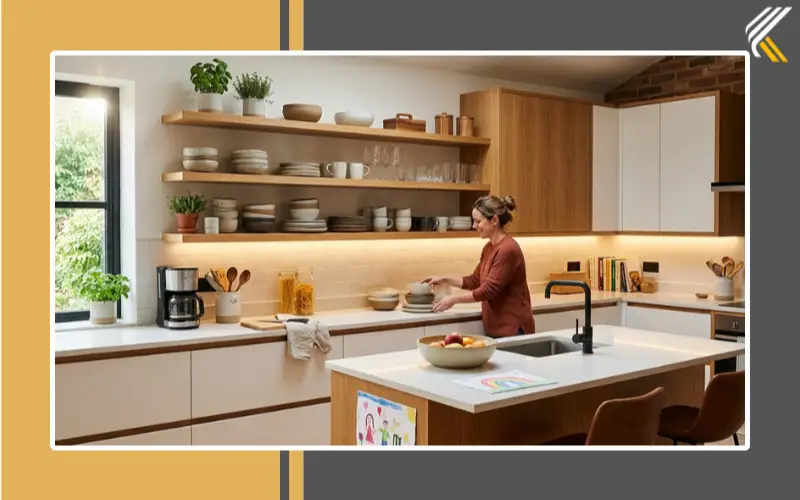
Final Verdict
After comparing open vs closed crockery units, it becomes clear that there is no single perfect option for every home. In real kitchens, the best choice usually depends on how people actually live every day. Some homeowners genuinely enjoy styling open shelves and displaying decorative dishes, while others quickly realize they prefer the simplicity and lower maintenance of closed storage after dealing with constant dust and clutter. Many people who originally install fully open shelving eventually move toward hybrid storage layouts because they want both style and practicality in the same space.
From a long-term design perspective, hybrid crockery units often provide the best balance because they combine visual openness with functional hidden storage. Many interior designers also recommend moderation instead of completely replacing upper cabinets with open shelves. A kitchen should not only look beautiful in photos, but it should also feel practical and comfortable during daily use. If you cook frequently, have children, or want low-maintenance storage, closed crockery cabinets may fit your lifestyle better. However, if you enjoy decorative styling and want your kitchen to feel lighter and more open, carefully planned open shelving can still work beautifully. The best kitchens are usually designed around real habits instead of short-term trends, and the right crockery unit should make your home easier to organize, easier to maintain, and more enjoyable to live in for years to come.nd function of your home.
About Kitchenoro
Kitchenoro is your trusted partner for complete kitchen remodeling, renovation, and elegant design. We specialize in premium cabinet installation, countertops, and the transformation of kitchens into luxurious, functional spaces. With expert craftsmanship and tailored solutions, Kitchenoro turns your vision into reality. Contact us to elevate your kitchen’s style and functionality!